Universal health coverage
Neglected health conditions
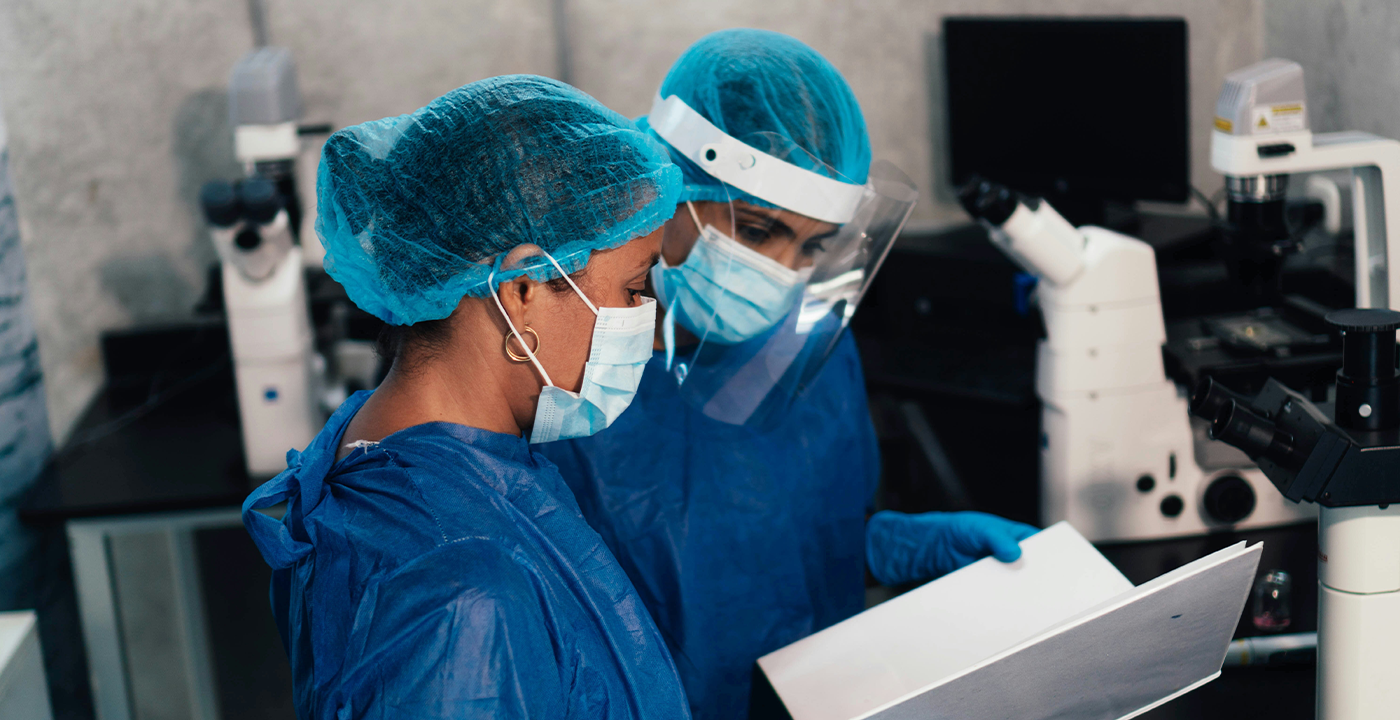
Neglected health conditions often do not receive the attention they deserve —either because they are not life-threatening in the short term or because they disproportionately affect marginalized populations. However, these conditions carry a significant burden, reducing quality of life, productivity and long-term well-being.
I have been actively advocating for greater awareness, policy attention and programmatic action on several such issues, including lead poisoning, mental health, oral health and presbyopia.
Lead poisoning
Lead poisoning is a silent epidemic. Millions of children in India are exposed to unsafe levels of lead through contaminated water, unsafe industrial practices, paints, batteries and informal recycling. Lead exposure is irreversible and has profound effects on brain development, intelligence and behaviour. It is also linked to anemia, cardiovascular disease and poor birth outcomes.
Recent global studies estimate that India accounts for nearly half of the world’s children with elevated blood lead levels. I am currently chairing i-LEAP (India Lead Elimination Action Partnership), a coalition focused on identifying sources, advocating stronger regulation and building awareness to eliminate lead exposure from all avoidable sources.
Presbyopia
Presbyopia—the age-related decline in near vision—affects over 500 million people in low- and middle-income countries. In India, it remains largely uncorrected, reducing the productivity and independence of older adults. A simple pair of reading glasses can dramatically improve quality of life, yet access remains limited, particularly in rural areas.
Presbyopia is a public health opportunity: by integrating vision screening and low-cost solutions into primary care and outreach programs, we can dramatically reduce avoidable disability among India’s ageing population.
Mental health
Mental health remains underfunded, stigmatized and largely ignored in mainstream healthcare systems. In India, the treatment gap for common mental health conditions exceeds 70%, especially in rural and underserved areas. Depression, anxiety, substance use and suicide continue to rise—often worsened by social isolation, poverty and trauma.
Efforts must focus on integrating mental health into primary care, training non-specialist providers, using digital platforms to scale access and building public campaigns that normalize seeking help.
Oral health
Oral health is a crucial but overlooked component of overall health. Poor oral hygiene and lack of preventive care contribute to pain, tooth loss, malnutrition, school absenteeism and social stigma. Dental caries and periodontal diseases are rampant, particularly in low-income and rural populations, due to poor diet, tobacco use and lack of access to fluoride or dental care.
India’s public health system must strengthen preventive oral health services, promote school-based screenings and raise awareness about oral hygiene through mass media and primary health care workers.